- Parc de l'Alliance, Avenue du Japon 1 1420 Braine l'Alleud
- 023860300
- leads@webforce.be

Application Development: A Comprehensive Guide for Businesses
Freespins Casino: Neue Angebote
avril 12, 2026Gérer son budget astuces pour des visites réussies au casino
avril 12, 2026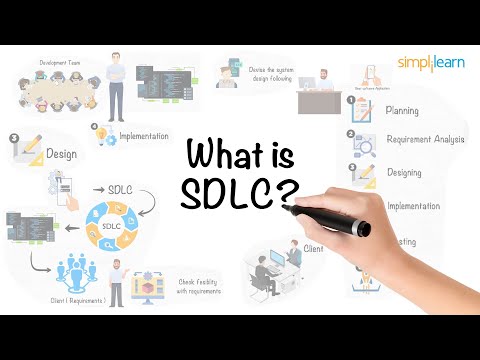
Modern Application Development: A Strategic Guide for Businesses
In today’s fast-paced digital landscape, application development is no longer just a technical requirement; it is a fundamental business strategy. Whether you are a startup looking to disrupt a market or an enterprise seeking to optimize internal workflows, understanding the lifecycle and execution of building software is critical to your success. At https://bungaweb.com, we believe that effective development starts with a clear vision and a structured path to implementation.
Application development encompasses the end-to-end process of creating, testing, and deploying software designed to perform specific tasks. This process involves a combination of engineering, user experience design, and project management. As technology evolves, the shift toward agile methodologies and cloud-native architectures has changed how companies approach their digital product roadmap, making it essential to prioritize scalability and security from day one.
Understanding the Application Development Lifecycle
The Software Development Life Cycle (SDLC) provides the framework necessary to manage development projects effectively. It typically begins with requirement gathering, where stakeholders define what the application must achieve and the specific business needs it will address. This phase is crucial for ensuring that the development team understands the core objectives before writing a single line of code.
Following the definition phase, the project moves into design, development, testing, and deployment. Each stage relies on open communication and consistent feedback loops. By following a structured SDLC, teams can identify potential bottlenecks early and manage resources more efficiently. This methodical approach helps minimize technical debt and ensures that the final product is not only functional but also maintainable over the long term.
Key Features and Capabilities to Consider
When planning your application development project, it is important to categorize the features that will provide the most value to your end-users. Modern applications often require a robust dashboard to manage data, automated workflows to reduce manual intervention, and seamless integrations with existing third-party tools. These elements contribute to a cohesive user experience and increase overall platform adoption.
Security and reliability also remain top-tier features. Modern development practices must include identity management, encryption, and regular security audits to protect user data. Furthermore, integrating performance monitoring tools allows developers to track the health of the application in real-time. Below is a breakdown of the core capabilities that organizations should prioritize during the scoping process:
| Category | Key Capability | Primary Benefit |
|---|---|---|
| Automation | CI/CD Pipelines | Faster release cycles and stable deployments. |
| User Experience | Responsive Dashboard | Consistent performance across mobile and desktop. |
| Security | Data Encryption | Protection of sensitive organizational information. |
| Integration | API Strategy | Seamless connectivity with existing tech stacks. |
Choosing the Right Development Methodology
Selecting the right methodology is one of the most significant decisions in the application development process. Agile remains the industry standard for most businesses, as it allows for iterative progress and the ability to pivot when market demands shift. By working in sprints, development teams can deliver functional parts of the application frequently, allowing for early stakeholder feedback and refined requirements.
Alternatively, some industries with strict regulatory requirements may still find value in the Waterfall methodology, which emphasizes exhaustive documentation and linear progression. The key is analyzing your specific business needs before committing to a development framework. A hybrid approach, often called « Agile-Waterfall, » is frequently used by large organizations to balance the flexibility of Agile teams with the planning rigor required for corporate compliance and budgeting.
Common Use Cases for Custom Software
Businesses often invest in custom application development to solve problems that off-the-shelf software cannot address. Common use cases include enterprise resource planning (ERP) systems that unify departmental workflows, customer relationship management (CRM) platforms tailored to specific sales processes, and specialized mobile applications designed to improve field service efficiency.
Another prominent use case is the modernization of legacy infrastructure. Many companies operate on outdated software that creates silos and prevents efficient data sharing. Developing modern applications to bridge these gaps can unlock significant productivity gains. Whether you need to automate a recurring manual task or provide a unique digital experience for your customers, custom development is often the most effective way to turn a competitive advantage into a long-term asset.
Scalability and Reliability in Infrastructure
Scalable application development means building a system that can handle growth, whether that growth comes from an increase in users or a jump in transactional data. Cloud infrastructure services play a vital role here, allowing teams to provision resources dynamically. A well-architected application separates the front-end interface from the back-end services, ensuring that different components of the system can scale independently.
Reliability is closely tied to scalability; a system that cannot handle surges in traffic is inherently unreliable. By implementing robust load balancing, redundancy, and health checks, developers can ensure that the application maintains high uptime. Investing in these areas early on prevents costly downtime that could damage customer trust and impact your bottom line as the application matures.
Pricing Considerations and Budgeting
Budgeting for application development requires a clear understanding of both the initial build costs and the ongoing operational expenses. Development costs are usually influenced by the complexity of the features, the choice of technology stack, and the geography of the development team. It is essential to treat development as an investment rather than a one-time cost, with a focus on long-term ROI.
In addition to development fees, remember to factor in the total cost of ownership (TCO). This includes:
- Hosting and cloud infrastructure costs.
- Licensing for third-party tools and APIs.
- Ongoing maintenance and security updates.
- Customer support and documentation creation.
- Training sessions for end-users and internal staff.
Support and Long-term Maintenance Strategy
Post-launch, the focus must shift to maintenance and support. No application remains static; you will need to apply patches, optimize performance, and release new features based on user feedback. A professional support strategy ensures that if bugs arise, they are dealt with quickly, preserving the integrity of the user experience and keeping business operations running smoothly.
A proactive approach to maintenance includes setting up automated monitoring and error logging. By receiving alerts regarding system performance before users report issues, you can address potential failures in real-time. Maintaining an agile support workflow, where bugs are prioritized alongside feature development, is the best way to ensure the long-term viability and success of your application.